
When I first heard travellers were visiting the Chernobyl Exclusion Zone, my first thought was: why? What kind of experience would that be, and what could you possibly get out of it?
After ditching Sky Movies, I'd missed the 2019 HBO miniseries Chernobyl. Much like how tourists flocked to Dubrovnik after Game of Thrones, or booked the Four Seasons in Sicily after The White Lotus, fans headed to Ukraine for their nuclear fix. Numbers have dropped since the Russian conflict, but the broader trend it sits within is worth talking about.
Educational dark tourism. Travellers who seek out and visit sites associated with tragedy and, ultimately, death. Doesn't sound like a fun pitch. But this is no fringe sector. A report from Grand View Research values it at NZ$55 billion globally.
So what's the allure? These destinations show us the consequences of conflict and the resilience of communities in the face of adversity, whether natural like volcanoes, or man-made like prisons. They offer a deeper understanding of human history that no documentary or textbook quite replicates.
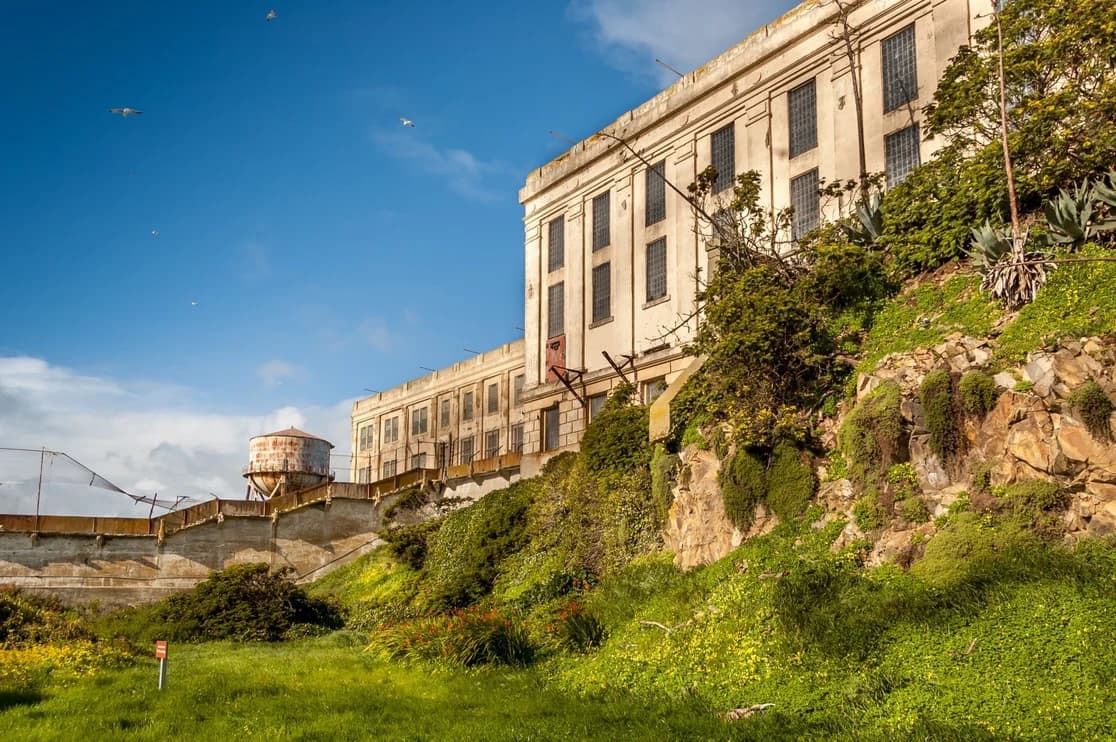
Millions of people have visited Auschwitz in Poland, Hiroshima in Japan, Alcatraz Island off San Francisco, Pompeii in Italy, the Catacombs in Paris, Port Arthur in Tasmania, Ground Zero in New York, and Ypres in Belgium. The list goes on.
If you're drawn to this kind of travel, we work with some excellent vetted tour operators offering private or scheduled experiences that can be built into a broader itinerary. It's more accessible than most people think.
Pictured above: Alcatraz Prison. Al Capone appreciated the south-facing views.